The Origins of Sigiriya
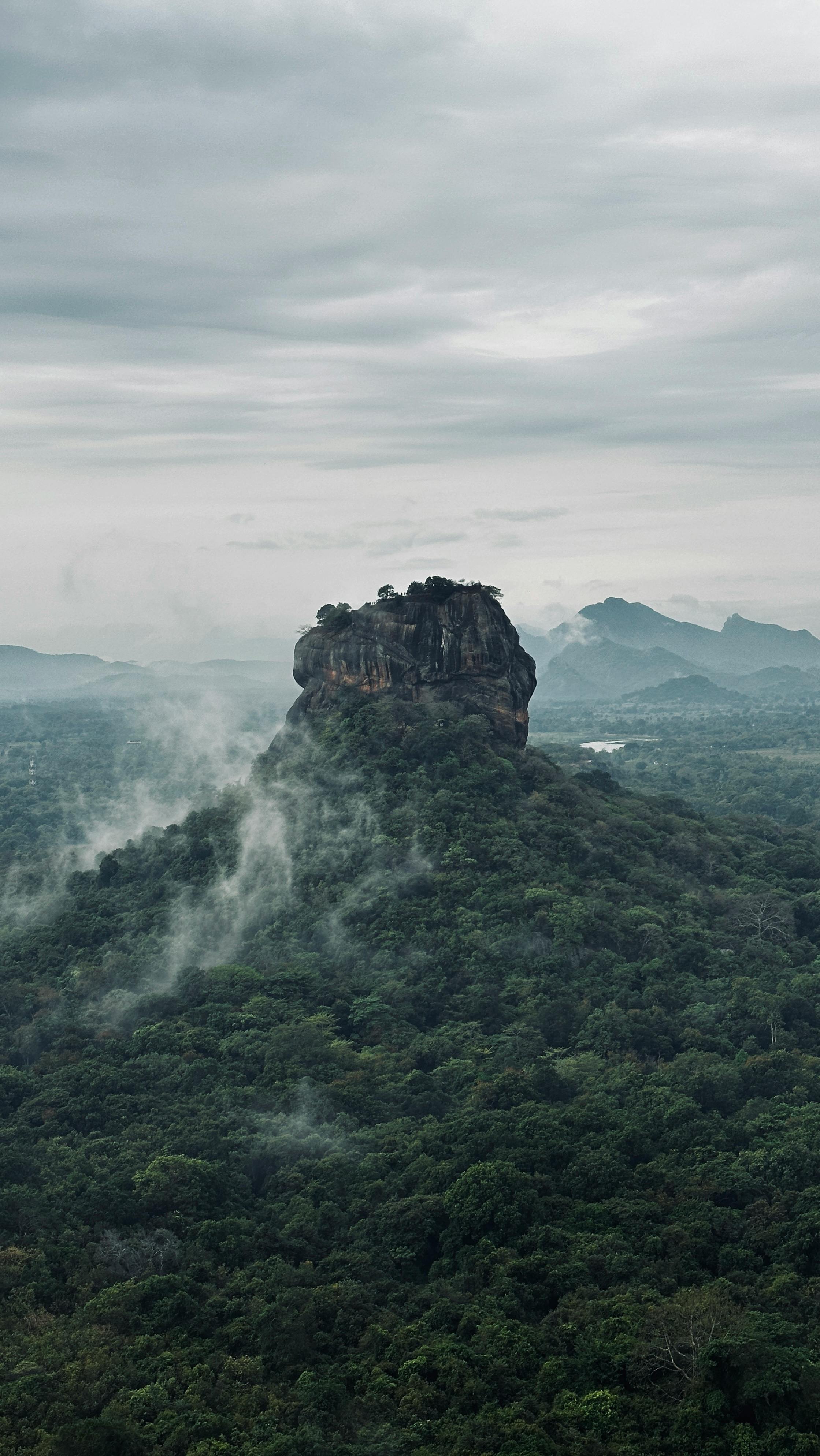
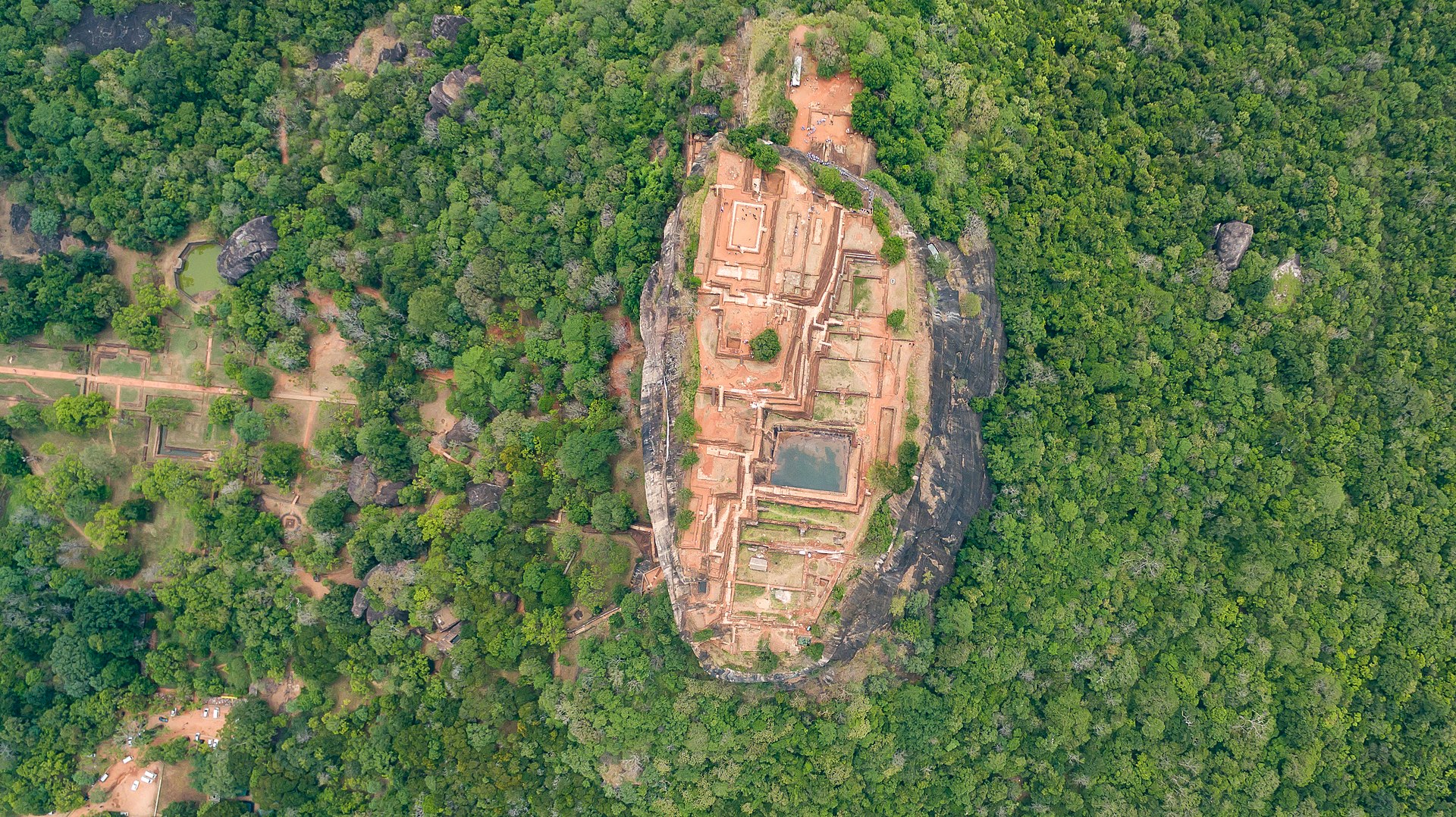
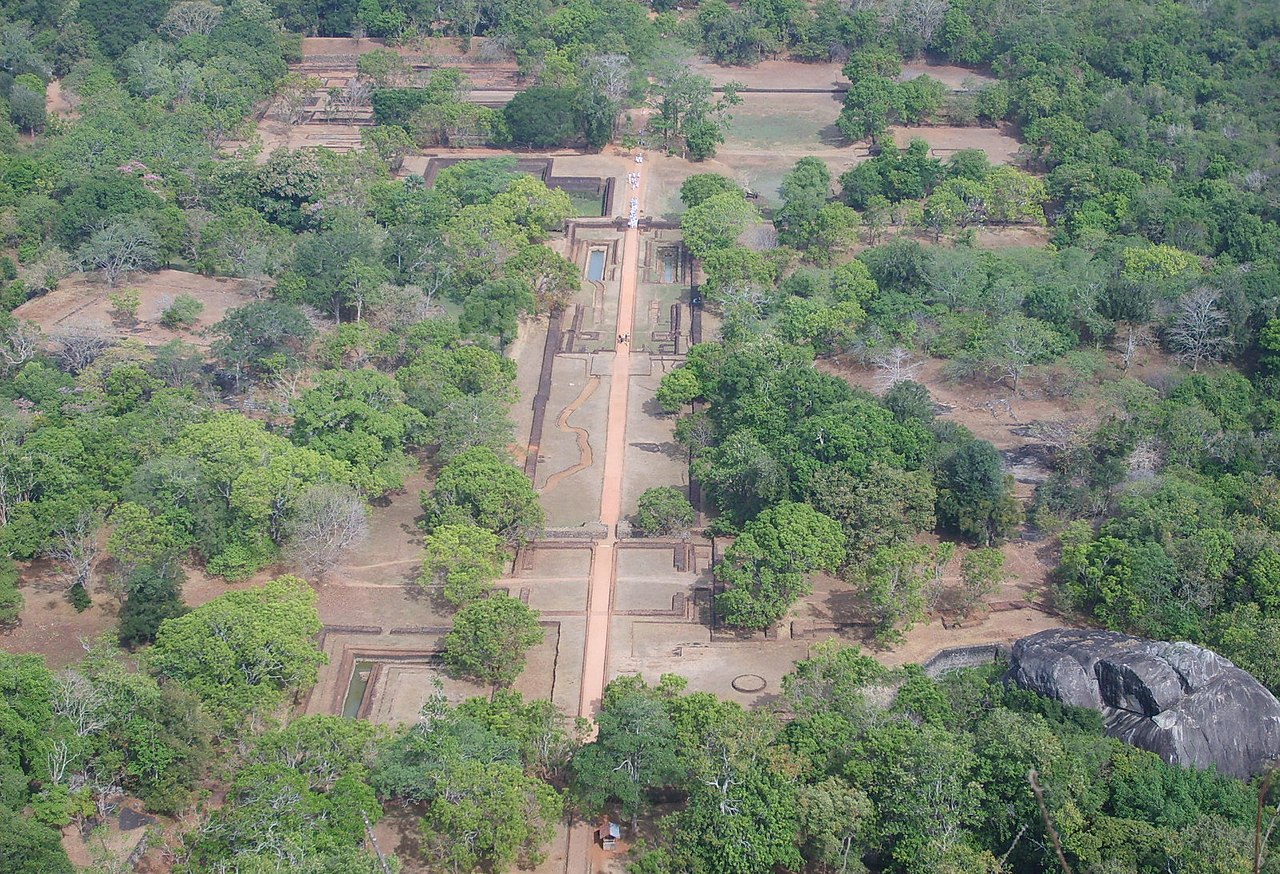
Sigiriya, also known as the **Lion Rock**, is an ancient rock fortress in Sri Lanka. Built in the 5th century AD by **King Kashyapa I**, it served as a royal palace and a military fortress. Its impressive architecture and advanced water gardens make it one of the most significant historical sites in South Asia.
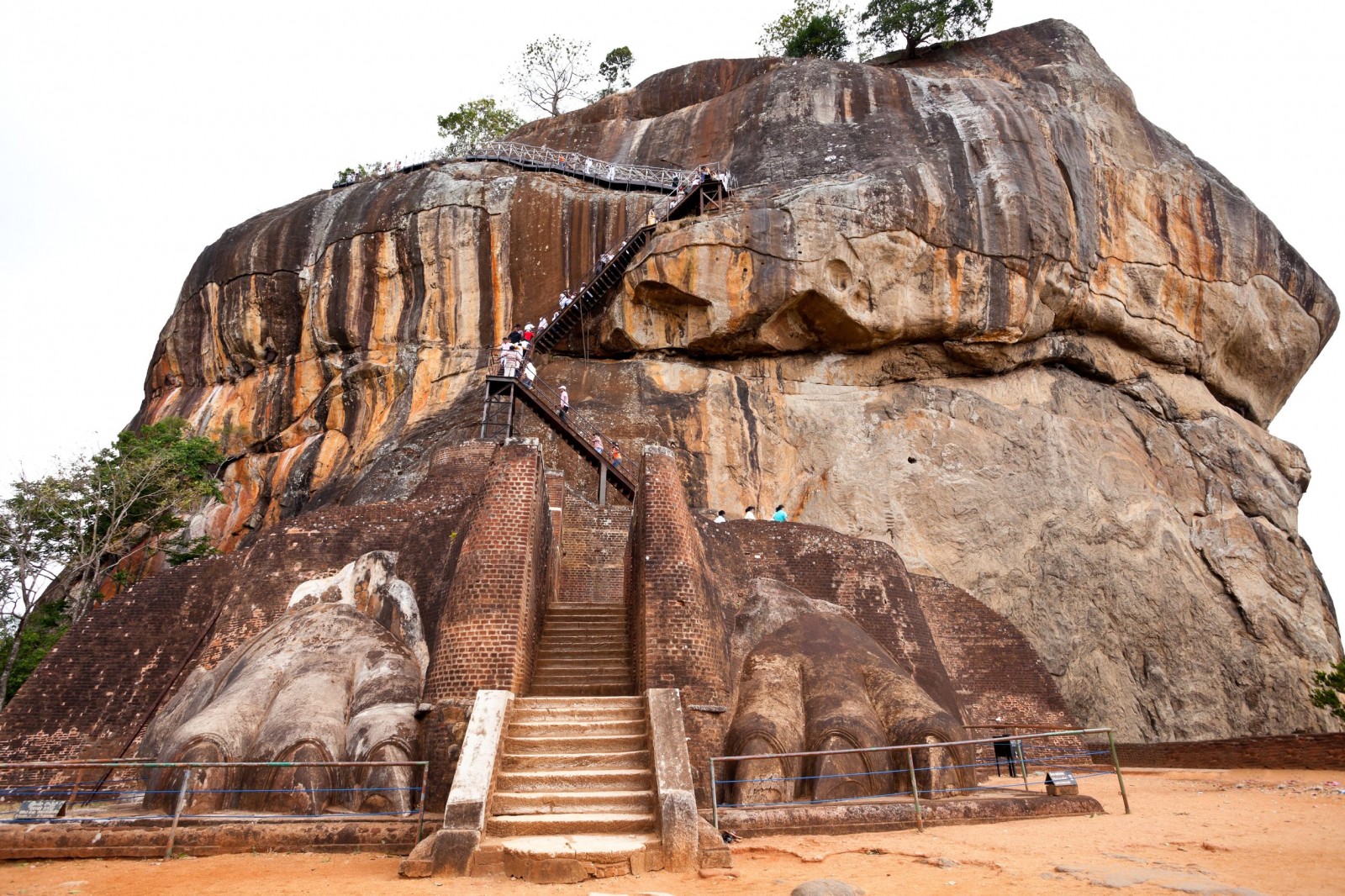
Sigiriya’s name is derived from the **Sinhala words "Sinha-Giriya"**, meaning "Lion Rock." It was designed to resemble a giant lion, with its paws still visible at the entrance to the fortress.
The Golden Era of Sigiriya
King Kashyapa chose Sigiriya as his capital after overthrowing his father, King Dhatusena. He transformed the rock into a magnificent palace with breathtaking frescoes, advanced water gardens, and a grand entrance shaped like a lion’s head.
The frescoes of Sigiriya are among the most remarkable ancient artworks in Asia. These paintings depict celestial maidens, believed to be representations of Apsaras or divine beings.
The Decline of Sigiriya
After 18 years, King Kashyapa was defeated by his brother, Moggallana, who reclaimed the throne. Sigiriya was later converted into a Buddhist monastery, which remained active until the 14th century.
Over time, the fortress was abandoned, and nature reclaimed the site. It wasn’t until the 19th century that British archaeologists rediscovered and began excavating Sigiriya.
Sigiriya Today
Today, Sigiriya is one of **Sri Lanka’s most visited UNESCO World Heritage Sites. Tourists from around the world visit to explore its **ancient ruins, stunning frescoes, and breathtaking views from the summit.
Sigiriya is considered an architectural masterpiec and a symbol of Sri Lanka’s rich cultural heritage.